Web design is an individual process that requires a creative mind. To make a website stand out in the competition, designers should depart from the regular look of the website and instead focus on the brand, its audience, and what makes the brand distinct from its competitors. These factors should serve as a guiding tool for designing a website. Design is about breaking the rules and creating a unique one that you like. However, you must follow some basic principles. In this article, we have outlined some key points to consider for a well-designed website.
Principles of a Good Website Design
Below, we have mentioned some of the basic web design principles that can be followed for an effective website design:
Purpose of the Website
Know the requirements of the users. Have an idea of what the user is searching for after entering the website. Design pages in such a way that every page can be understood easily and interact with the user about the products or services you are offering. Assess your website: What are you offering? Is it for entertainment? Social Media? eCommerce Website? Each website will have different goals, but they share some common purposes: building reputation, describing expertise, generating leads, driving sales, and providing customer support.
Use Web-friendly Fonts
Fonts play a major role in website design. Use fonts that reflect your brand’s values and also appeal to your audience. They should be easily understood by the person who is reading them. Not only for branding, but also use it for your website pages. The user should not struggle to understand your message. Use web-friendly fonts that work well at any size and on both mobile and desktop devices. Fonts like Arial, Calibri, Times New Roman, and Courier New are examples of web-friendly fonts.
Keep the Audience in Mind
A great website designer should understand that good website design is not just about aesthetics. However, they should understand their target audience and potential customers, and connect with them in a way that resonates with their needs and interests. Think like the audience and know what they are looking for? What do they need and what are they worried about?
Understanding the audience’s mindset enables you to make better design choices, such as selecting the right colors, fonts, layout, and buttons. Every aspect of your website should be designed with your audience in mind.
Create Quality and Engaging Content
Create engaging, new, and quality content. Be specific about what you want to convey to your audience. Use simpler words in a regular accent, without any jargon, so that every type of audience can easily understand your content. Maintain accuracy and relevance in your content. Post regularly and ensure you avoid spelling mistakes. One of the most effective ways to achieve this is by regularly posting social media content and blogs. This practice can encourage visitors to return to your website frequently and support your SEO strategy.
Utilise the ‘F’ or ‘Z’ Pattern
When it comes to website design, it’s essential to understand how users perceive websites. It is essential to understand the common patterns that most users follow. The most common patterns are the ‘F’ and ‘Z’ patterns.
‘F’ pattern is used for heavy content pages. Users generally start from the top and then move to the left side, picking up headlines, bullet points, and bold text. On the other hand, ‘Z’ is best suited for websites with simple layouts that have straightforward signup or purchase processes. The user’s eye moves in a Z pattern, from top left to right, and then diagonally down and across again.
Some smart designers utilize both patterns, depending on the page and its purpose. Suppose you can use an F pattern for the homepage to engage the users with the content you have, and can use a Z pattern for another page to highlight the CTA buttons. By combining these two patterns, you can create a seamless website that guides your audience to where they want to go.
Utilise Negative Space
Sometimes you need to use negative to achieve a positive outcome. The empty areas present in your design are referred to as negative space. It is also known as white space or blank space. Utilizing negative space on your website can be beneficial and visually appealing.
This process has been followed for a long time to prevent users from getting confused by the cluttered content on the website. Designers utilize negative space to highlight key aspects of the website, thereby creating an enjoyable user experience.
Color Palette
Colour choice plays a significant role in your website’s appearance and functionality. Choosing the right colour palette can be a challenging task. But, limiting your colours to a maximum of 3-4 colours is better. Choosing the right color palette becomes easier when the selected colours are put together. Take inspiration from the websites you like and choose the best colour combination among them. A good colour palette not only makes your website look better but also enhances the user experience and consistency.
Choose Relevant Images
There is a common saying, “A picture is worth a thousand words”. It is true in the case of website design. Choose images that describe your website just by looking at it. They reflect the business nature, set business goals, and connect users on an emotional level. Select images that are clear, high-quality, and professional. The chosen images should complement the overall theme of your website.
Use Hick’s Law
Hick’s law states that an increase in the number and complexity of choices will increase the time it takes a person to make a decision. In website design, limit the options and pages, as the user may become confused and bounce, or they might choose an item that is not required for them. That is the reason why we need to provide a limited number of options for our users.
Design Your Website for Both Web and Mobile
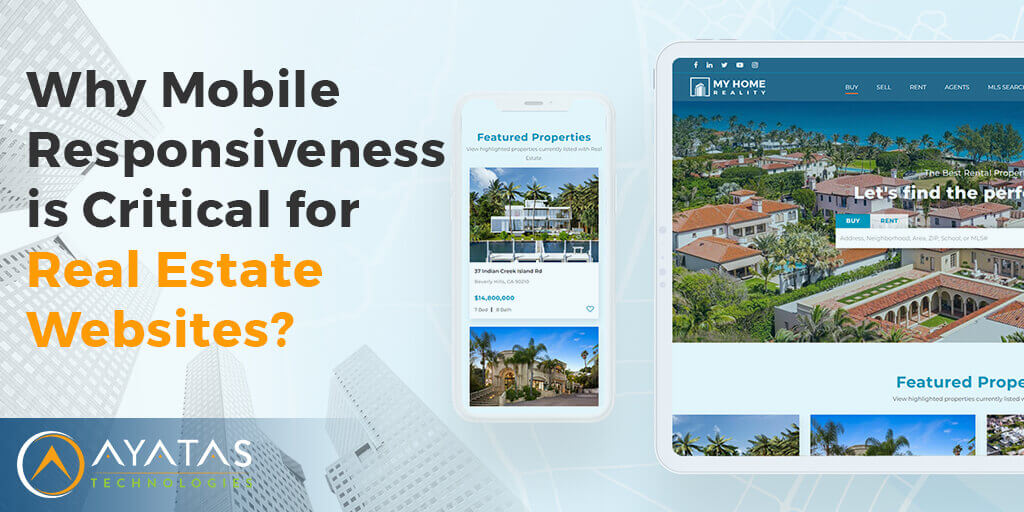
The use of smartphones is increasing daily. Therefore, it is essential to design your website for mobile devices. Some websites are accessed more frequently on smartphones than on desktops. Ensure that headers, footers, images, and CTA buttons are easily accessible on all mobile screens. Also, ensure that the website loads quickly on both devices. Sometimes, designers use different layouts to optimize their websites for mobile devices, thereby enhancing the mobile experience.
Optimize Buttons and Calls-to-action
Buttons and CTAs are the final elements to consider in a website design. Still, they play a significant role in converting users into customers. They play a key role in customers deciding whether to stay on the website or close the window. The buttons and CTA’s must be easily visible and simple to click. Use enough space, bold colors, and clear text so that they won’t get lost in the website’s design.
Optimize for Search and the Social Web
A good website also requires traffic. Without traffic, all your efforts will go in vain. The following are some of the tips for effective SEO:
- Use Alt tags for every image you upload to the website
- Use headings and meta tags for all the pages to get indexed
- Optimise your content and links with the common keywords that people search for
- Make your website faster by using CSS for layout and maintaining your HTML code simple
Ensure that users can share your content easily and hassle-free, allowing them to share it on social media platforms with ease. Include visible and clear sharing buttons on your website. Social platforms are a great way to attract people to your website and improve your website’s SEO.
Conclusion
Creating a website is far more than just its appearance. It’s about understanding the users and their intent while visiting your website. From the purpose of the website to CTA’s, you must consider the user’s intent and design them accordingly. Follow a clean code, create high-quality content, and after completing your website, optimise it for traffic. If you are looking to build a successful website that not only looks good but also performs well, we can help! At Ayatas Technologies, our team comprises expert designers and developers who craft custom websites tailored to your brand and audience. Contact us for a free quote.